


WHEN IT WORKS AND WHEN IT DOESN’T.
LAST MONTH AT WING.
It’s been another month (well, two, apologies) of busy shoots and quick turnarounds and we certainly aren’t winding down just yet. Amongst our recent projects, we were fortunate enough to be a part of the winning UK & Ireland bid for Euro 2028, creating a series of films including this piece and completing a whopping total of 12 shoots to make this happen. This was a mammoth project and it was a joy to bring this to life across all the confederations, casting multiple different voices to speak to the bid team’s future ambitions. We have also released the latest in the series of Mercedes AMG Petronas F1 Race Previews: Japan, Qatar, USA, Mexico and Brazil and they all have something very different to offer. Lots of things also in the pipeline so keep your eyes peeled!
THE CELEBRITY ON-SCREEN.
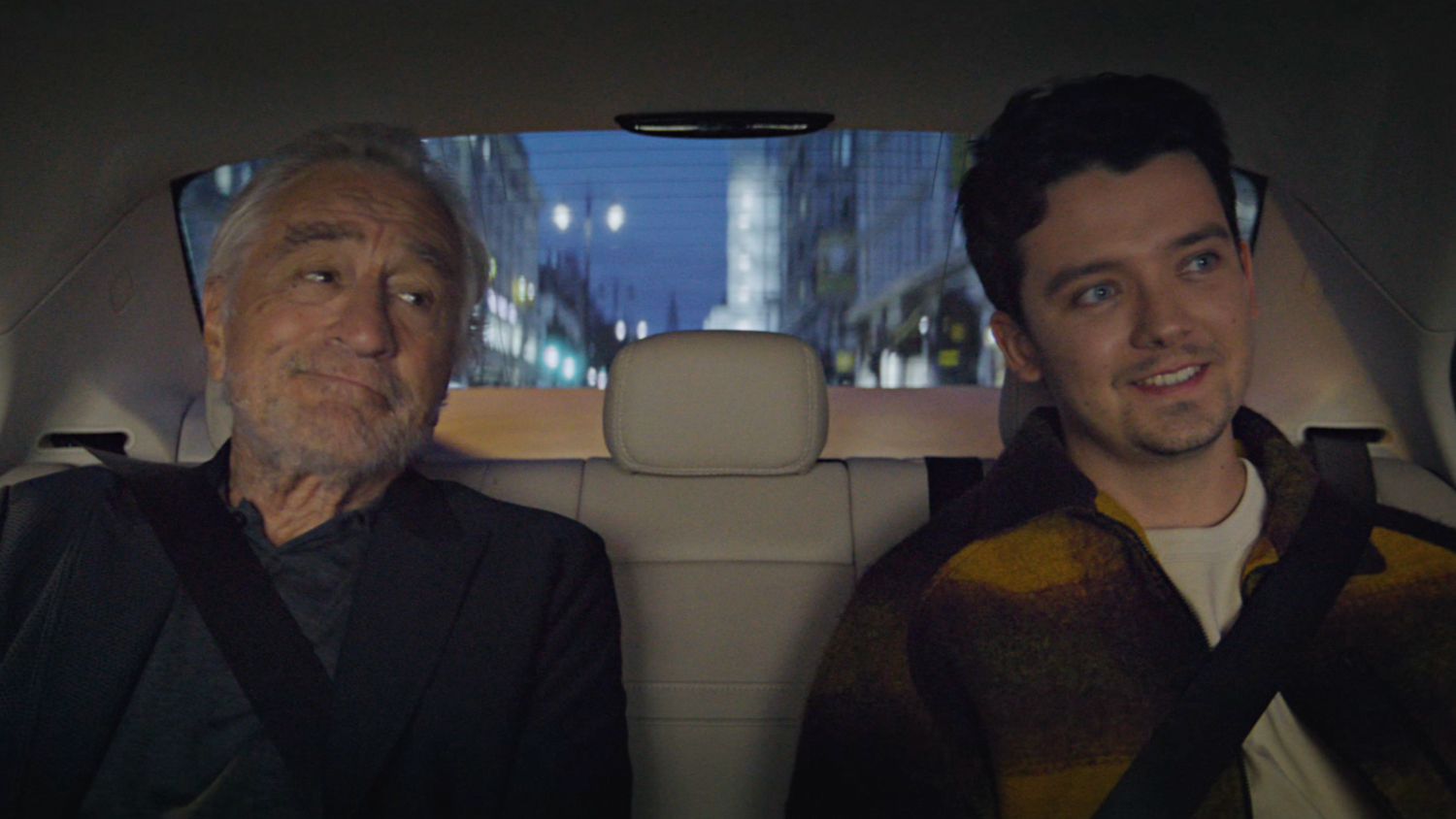
In between writing, shooting and editing, we’ve had the time to enjoy some ads recently, most noticeably being the Uber Eats piece featuring Asa Butterfield and Robert DeNiro. In this charming 3-minute film, Butterfield and De Niro play fictionalised versions of themselves and it’s slower, script-driven and incredibly engaging: a breath of fresh air in what can sometimes feel a race to go bigger, bolder and more ambitious. The ad feels reminiscent of TAG’s Ryan Reynolds piece where high production value is met with a very real and charming satire at its core. The willingness to poke fun at celebrity stereotypes – the action-man Reynolds, the aloof De Niro and the nervous Butterfield – results in something that ultimately feels very authentic and disarmingly powerful. The characters feel familiar and yet we are aware of the fallacy, the audience are let in on the joke and suddenly they are in cahoots with the brand.
REAL TALK, SORT OF.
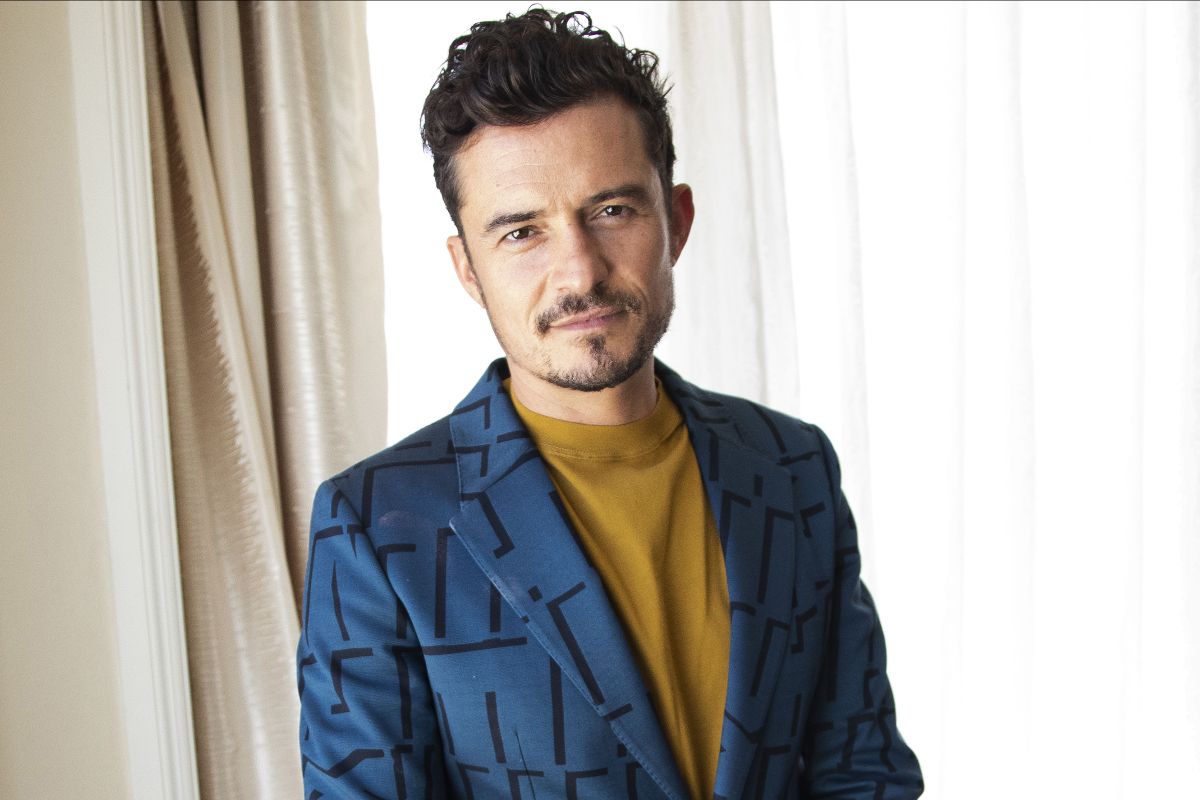
Now, fancy an example of when celebrity humanisation has gone horribly wrong? Yes, let’s have some fun… Does anyone remember the awful Orlando Bloom Day in the Life article (readable here for those without a Times subscription) which surfaced during some of the particularly bleak months of Covid? Time for a trip down an incredibly self-indulgent memory lane. This sincere piece of what can hardly be called journalism was met with an incredibly colourful and warranted internet backlash. In the midst of declining mental and physical health, confinement for some and over-work for others, the last thing people wanted to hear was Bloom proclaiming that he never wears trackies at home and spends his time playing with Lego and fighting ‘for minorities and women’. However, as some argue, it’s debatable whether hearing that Bloom is indeed, like us, miserable half the time and drunk the other half, would actually have made anyone feel better. It’s a fine line: celebrities need to be human to an extent, with characteristics of a normal human being, but still somehow ephemerally separate from us.
SLIDING SCALES.
It seems then, that we aren’t always entirely certain what our emotions will do in the face of content, the tipping point is very delicate between what can engage us and what can disgust us. This has been starkly apparent in the recent responses to Amazon’s Christmas ad, labelled ‘Turkey of the Week’ by Campaign, however scoring incredibly high on System 1’s tool for measuring emotional response. This disparity is discussed in full in The Drum where Andrew Tindall points to Amazon’s increasing success in the ad space over the last six years and details how expert product placement is used as a narrative device rather than interruption on distraction. Mark Ritson writes on LinkedIn how Tindall is correct to be guided by data, rather than personal values or ideals concerning creative integrity. It’s a debate as old as content and one that resurfaces seasonally, like the flu.

HARSH TRUTHS.
At WING, we are always working to balance data with human-led creatives, or even better to bring them together harmoniously. The hard truth is that sometimes data will go against your best instincts and it’s also true that any attempt to predict audience reaction is an inherently risky and uncertain enterprise. It’s all very well analysing content that exists, but trying to anticipate audience reaction eludes even the biggest and most experienced agencies. Pulling on principles that we know as storytellers, whilst also listening to the truth of performance analytics is the best hope we have of creating the Uber Eats of ads, and not the Orlando Bloom of branded content.
WHAT WING’S WATCHING.

Talking of unpredictable realities, this month I’m recommending you watch the new Netflix series Bodies starring Stephen Graham. A dead body is discovered in Whitechapel, at four different points in time, with the story then following multiple protagonists in different time periods as they try to untangle the events surrounding the murder. Well-acted, well-shot and throwing up multiple twists and turns, it’s guaranteed to be good viewing. My only complaint so far is that, as a resident of Whitechapel, I can testify it’s never looked so clean as it does in Netflix’s interpretation of 1890.

