


THE ECONOMY OF AUTHENTICITY.
LAST MONTH AT WING.
How has that happened? Aside from trying to stay cool, this past month we’ve been planning upcoming shoots in Ibiza, Ireland and France and we’ve also seen the release of our brand new ad for eToro, ‘The Power of Social Investing’ which is currently showing online and on TVs across the world. We delivered a mammoth total of 96 films in 8 different languages and with localisation for each territory, it was quite a feat. The WINGers deserved their summer holidays!
It’s time to be real, or is it?
This month we’re looking at how highly people value authenticity in the media, and how brands can best position themselves with this in mind.
A SHORT HISTORY OF AUTHENTICITY IN THE MEDIA.
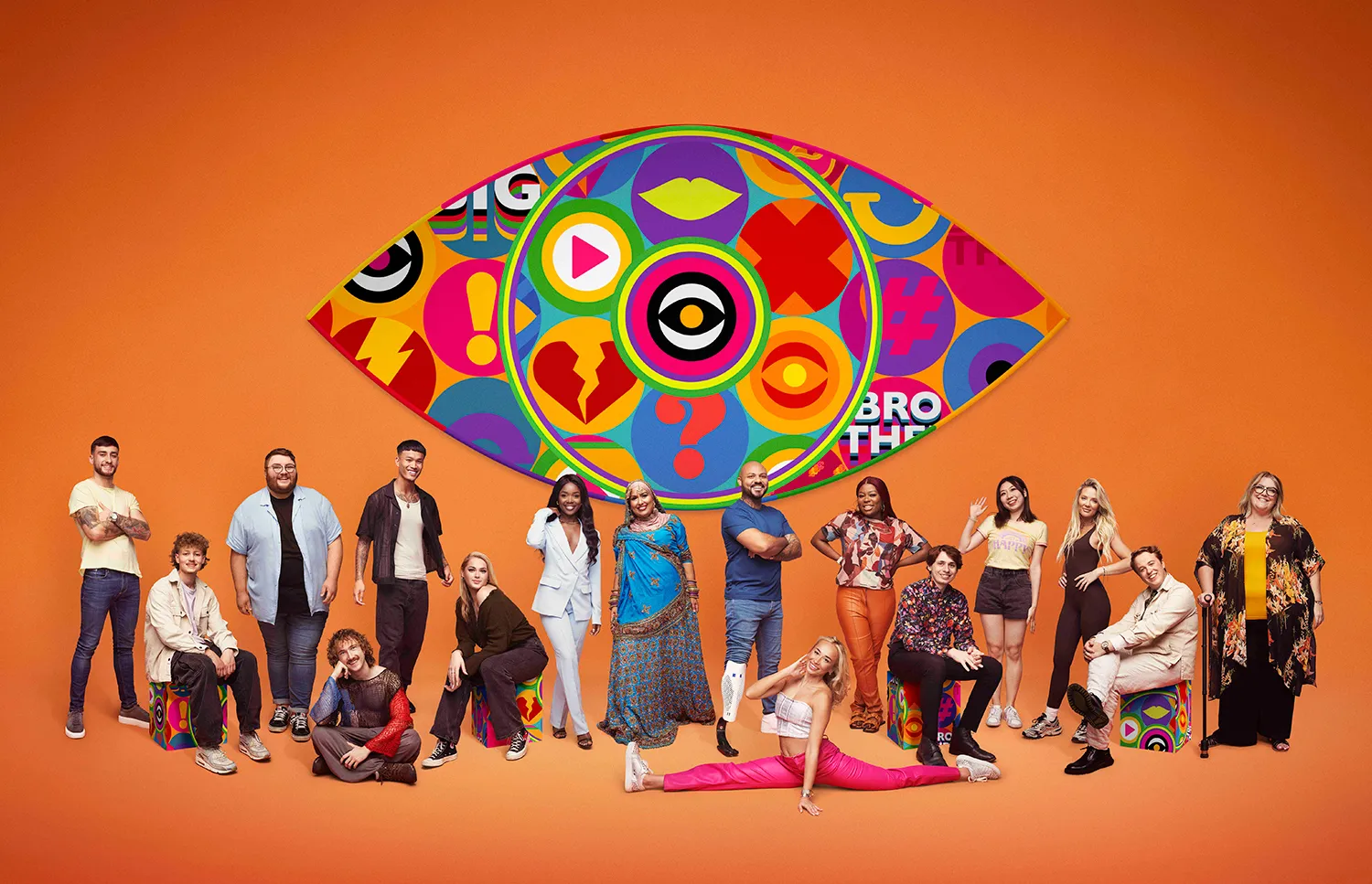
On 18th July 2000, the UK public turned on their tellies to watch 10 strangers sit about in a living room in Bow as they were watched 24 hours a day by multiple cameras. Big Brother had arrived, and with it an insatiable appetite for reality TV: its twists and turns, its dramas and above all, its willingness to show normal people in a totally authentic way. Since then we’ve seen the appetite for the authentic ebb and flow across mainstream media, with constructed reality shows like The Only Way Is Essex towing the line between genuine and fake. The rise of the internet has also exacerbated the disparity between what appears authentic and what has been purposefully curated.
HOW TO LOSE AUTHENTICITY AND ALIENATE PEOPLE.

The height of artificial entertainment came soon after 2007 as Keeping Up With The Kardashians changed what audiences expected of TV and of celebrities. However, even the most constructed celebrities such as Kylie Jenner can fall from grace with a single controversial Pepsi Ad in which she enters a protest and hands a drink to one of the police officers. The implications of this messaging are unmistakably off the mark, out of touch and above all, inauthentic to both the advert’s subject matter and the product itself.
Similarly, brands such as Samsung and Huawei suffered from inauthentic advertising when they were caught marketing DSLR pictures as photos taken on their phones. Halifax’s recent ‘It’s a People Thing’ ad also received criticism for airbrushing over Goole’s high street in a campaign that was supposedly ‘celebrating the community’ – but how much of the ‘community’ did they actually celebrate?
A BRANDS BEST BET.
Inevitably it’s getting harder for brands to keep up with fast-moving discourses and trends as well as avoid slip ups with the dissemination of information easier than ever, just look at this one shot of Love Island which blew up on Twitter.
However, brands can tap into authenticity and excel: the infamous 2011 John Lewis Christmas advert The Long Wait being a prime example of emotivaly reflecting brand values. The style is obviously sentimental and details have been whimsically exaggerated, but no one is disputing that the intent, tone and emotional direction is spot on. A similarly well-executed piece is the Paralympic film We Are 15 which feels carefully curated but not disingenuous. A key part of this is including varied and diverse contributors, both on and off the screen – the process is as important as the product.
What is the future for brands and authenticity? New disrupter apps such as BeReal suggest that our obsession with the genuine and instant is not going away. In an ever-changing world of trends and discourses, it’s becoming increasingly important for agencies and brands to acknowledge their limitations within the zeitgeist, stick to their values and when necessary, call in the experts.
WHAT WINGS WATCHING.
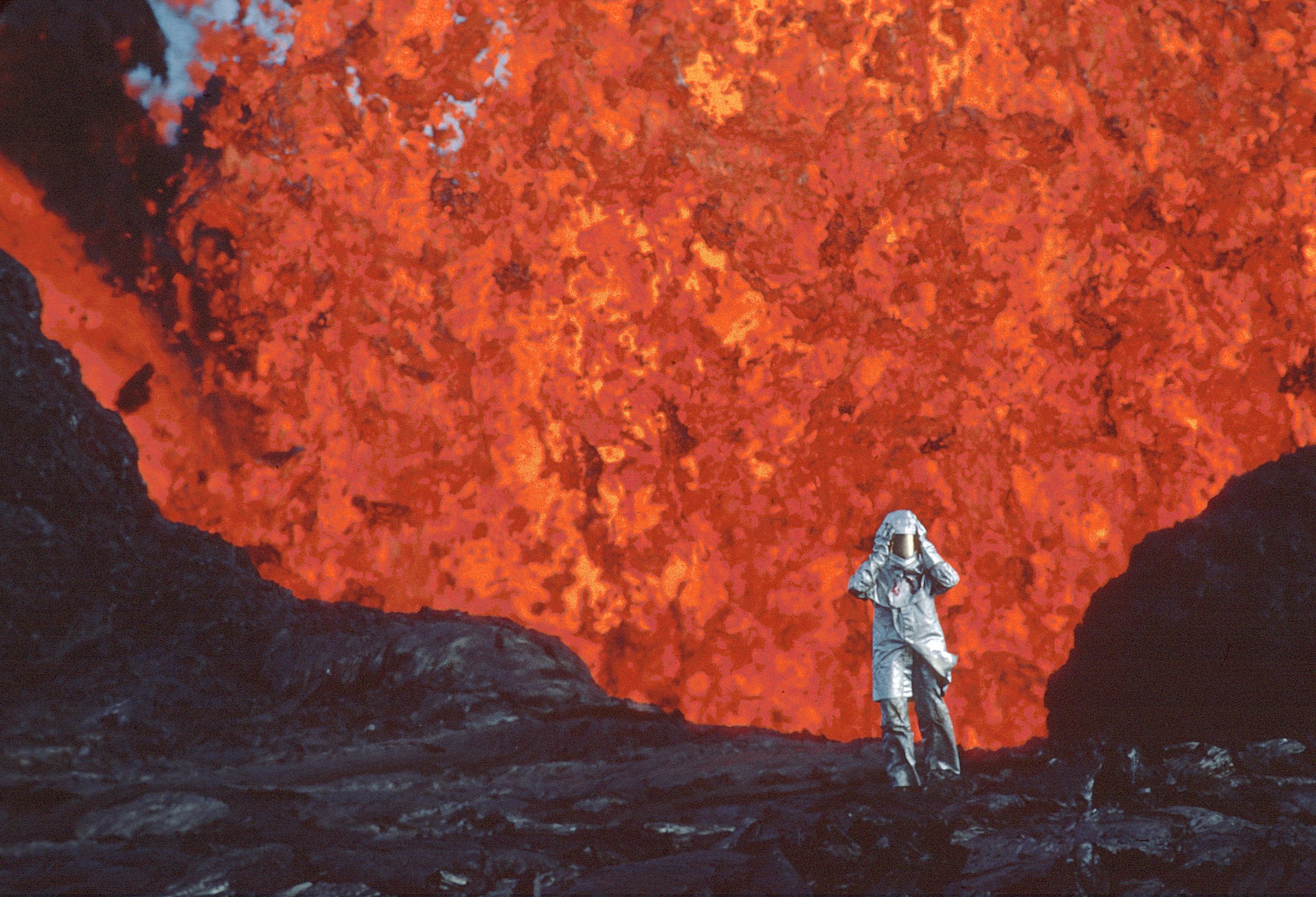
This month I recommend you check out Fire of Love, a documentary distributed by National Geographic that tells the incredible story of volcanologist couple, Katia and Maurice Krafft. The film is almost entirely made up of archive footage taken by the couple on their expeditions which has been restored to beautiful rich colour. Aside from the stunning images taken in and around volcanoes, the film is both humorous and heart-warming. It also contains serious cautions as to the consequences when governments ignore the warnings of scientists. A total feat of documentary filmmaking and an emotional treat, definitely don’t miss it!

