


BEYOND THE BADGE.

How Branded Content Elevates Sports Sponsorships
As brands continue to invest in sports sponsorships, the need for compelling content that maximises these partnerships has never been greater. In 2025, simply having a logo on a jersey or a track-side banner is no longer enough—audiences expect deeper engagement, richer storytelling, and meaningful connections with the teams and stars they follow.

Branded content plays a crucial role in elevating sponsorship deals from passive visibility to active engagement. Through well-crafted narratives, brands can connect with fans on an emotional level, creating lasting impressions that go beyond traditional advertising. Whether through behind-the-scenes access, documentary-style storytelling, or immersive social media activations, effective branded content enhances the value of sponsorships by making them more relevant and engaging.

1. Authenticity & Alignment
Fans are quick to recognise inauthentic partnerships. The most successful branded content aligns a brand’s values with the sport, team, or athlete in a way that feels natural and compelling.
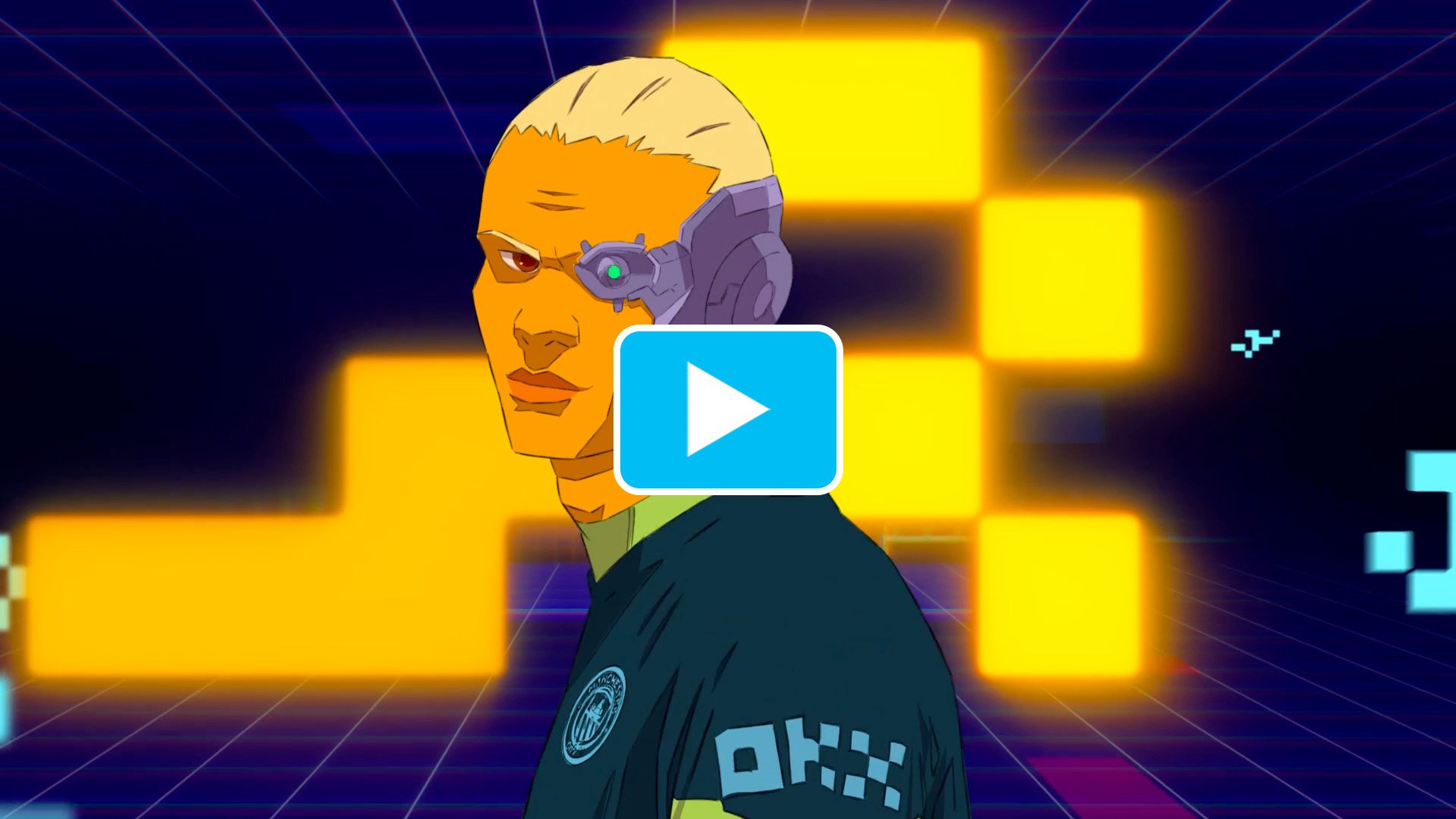
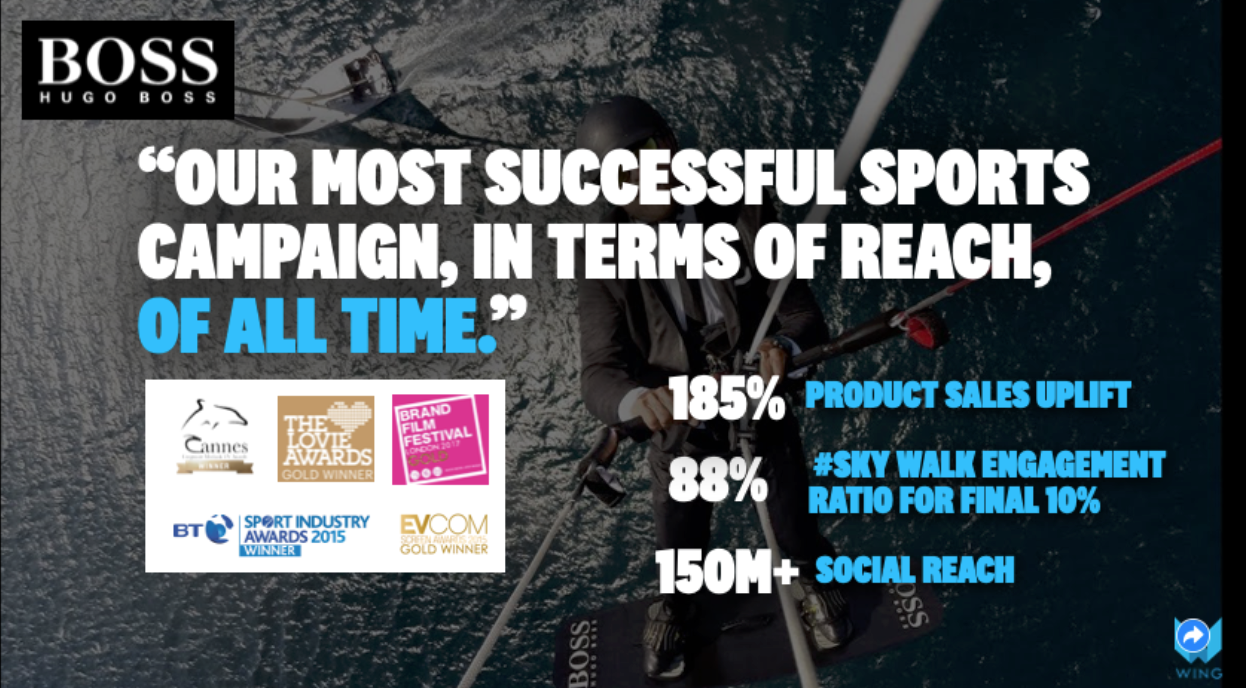
Blending the worlds of the brand and the club, right before the eyes of the fans – this film sparked a suite of assets that engaged fans with a new perspective that completely aligns the aesthetic and tone of the sponsorship.
2. Storytelling Over Sales
The best sponsorship content doesn’t feel like an ad—it tells a story. Whether it’s a short film about an athlete’s journey, a documentary series exploring fan culture, or a social campaign highlighting shared values, storytelling is key.
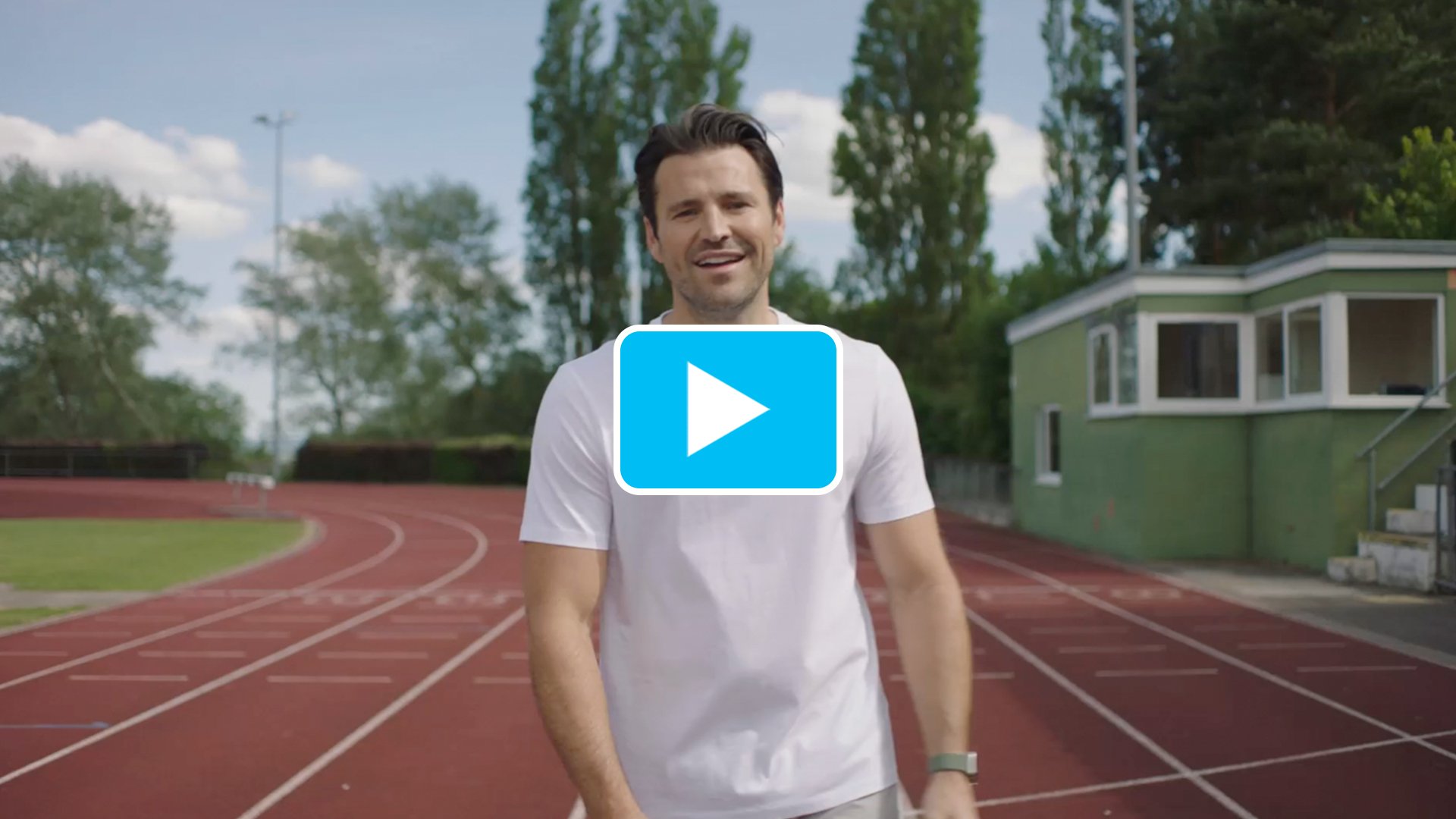
This campaign led by Sidhu and Simon, on behalf of British Gas, represents the community values of the brand and gives them a real world application. They sent in a team led by Mark Wright to give a community sports club’s facility a sustainability overhaul and fresh look. This linked in with the heightened attention on athletics surrounding the Paris Olympics.
3. Multi-Platform Distribution
The modern sports audience is fragmented across multiple platforms. Successful brands create content that works across screens of all sizes to ensure maximum reach and engagement.
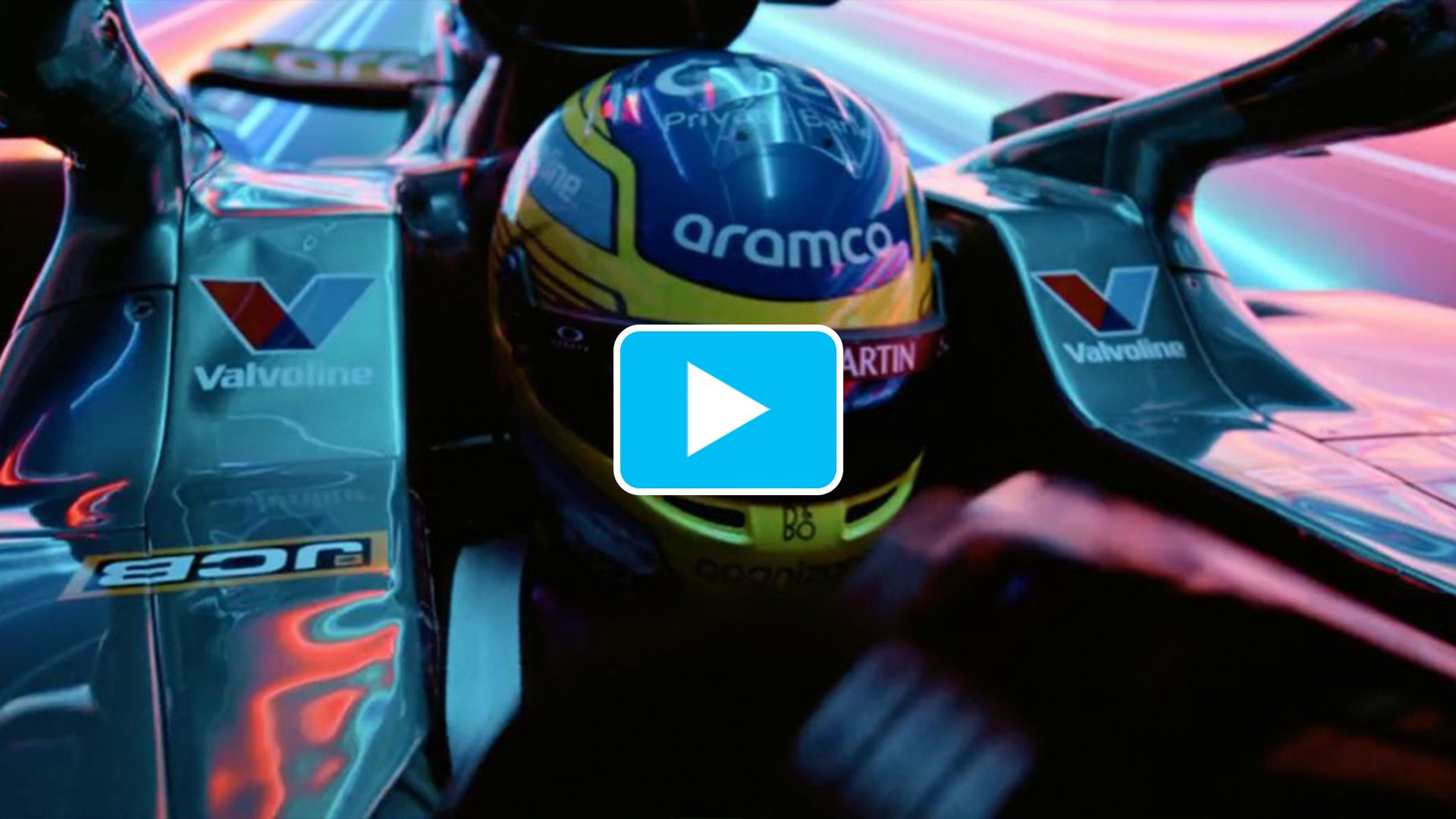
Launched as a TVC across the Monaco Grand Prix weekend, this film heroes Fernando Alonso as a true original. Visceral and stand-out imagery parallels a determined narrative from Fernando – we want this to stop scrolls through a jam-packed content schedule around one of the biggest weekends in the sport – with outputs across Europe OOH, on social platforms and beyond.

While creative storytelling and high production values are crucial, the true measure of a successful branded content campaign lies in its impact. Brands need to track engagement metrics, audience sentiment, and conversion rates to understand how their content is resonating. Authenticity and emotional connection drive long-term brand affinity, but data-driven insights help refine strategies for even greater success in future campaigns.

As we move further into 2025, brands that embrace high-quality, story-driven content as a core element of their sponsorship strategy will stand out. The key lies in creating content that enhances the fan experience, builds emotional connections, and provides real value beyond the sponsorship itself.
At WING, we specialise in crafting branded content that makes sponsorships work harder. If you’re looking to elevate your sports partnerships through powerful storytelling, let’s talk.

Nike “So Win.”
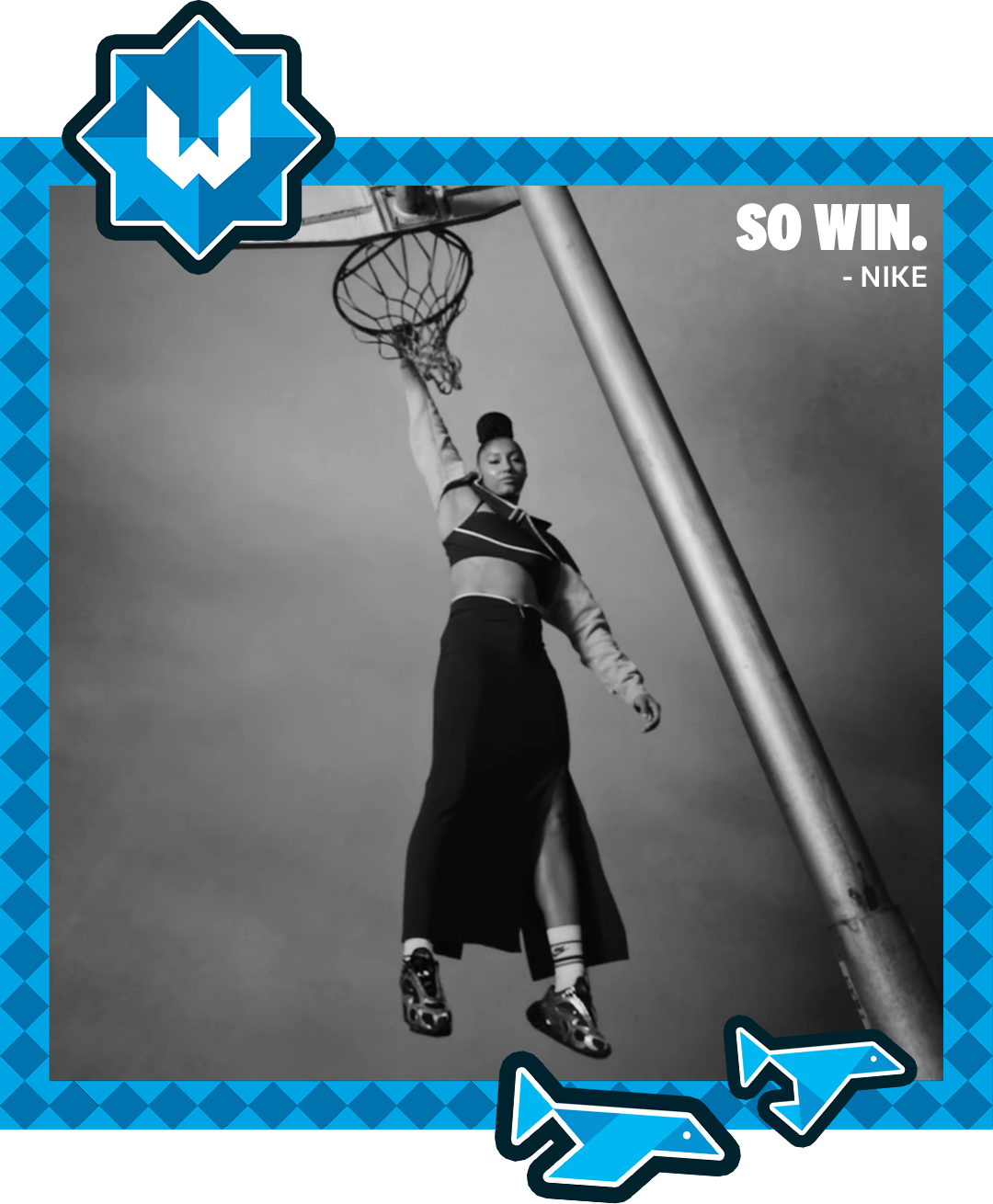
Nike’s “So Win” took over the Super Bowl conversation, but did it really say anything new? Nike’s first Super Bowl ad since 1998 was always going to grab attention, but was the reaction about the ad itself, or the wider topic it tapped into? The creative itself felt familiar, nothing new here – a format that provokes an emotive feeling initially – but looking deeper, it’s a film we’ve seen many times before.
The black-and-white spot, featuring some of the biggest female athletes on the planet, plays into a familiar narrative—women fighting to prove they belong. But is that still the state of play for women’s sport? Are we past the point of needing to reinforce this message?
So, was this meant to challenge norms? What norms are actually being challenged? Women’s sport is bigger than ever, and yet the narrative feels like it’s playing catch-up. It’s time to tell a different story – invoke attention on women’s sport in a new way OR don’t have the separation at all. So the real question is: what comes next, and how can this story be told in a new, creative way?

