


THEY DON’T MAKE ‘EM LIKE THEY USED TO.

Nostalgia has long been a cultural fascination. We love looking back just as much as we love looking ahead, so this month we are taking a deep dive into how advertising can leverage this penchant for the past whilst being cautious of losing touch entirely.

Nostalgia has always held a universal appeal that transcends generations and cultures. For whatever reason, call it rose-tinted glasses or a craving for the familiar, nostalgia evokes warmth and comfort. This yearning seems to have only increased in the face of a rapidly developing world. In a place where many people feel fearful rather than hopeful about the future, it’s on the whole easier to turn back to patterned lunch boxes, cargo shorts and vintage TV shows.
For brands, tapping into this collective nostalgia can be a powerful way of forging genuine connections with an audience and fostering brand familiarity and loyalty. Well-loved cultural references of the past can be an emotive shorthand and incredibly effective when utilised correctly.

Brands should be wary of letting nostalgia limit their desire or ability to innovate and adapt to changing consumer tastes and market trends. Leaning into the past shouldn’t limit the ability to look to the future, something that we think that Adobe executed almost perfectly in their Bob Ross Photoshop Sketch Ad. This sees a modern tutorial delivered through the popular and viral format of a Bob Ross video. Genuinely informative, engaging and warm, this film handles the old with the new in a way that compromises neither and enhances both.


HOWEVER, let it be known that tapping into popular culture of times gone by does not guarantee success nor extra resonance amongst an audience. This Forbes article details how the Robert Kennedy Jr Superbowl remake of his uncle’s original campaign ad not only caused political controversy but also fell flat amongst the majority of voters who would not have recognised the original 64-year-old ad. Similarly, we found the Wayne’s World Uber series more depressing than inspiring and again it seemed to put too many eggs in the memory basket. It’s a risky game, and one that, when not done right, can alienate audiences or come across as pandering to others.
The other more nuanced risk you run with nostalgia is that tapping into people’s personal and deep-rooted associations with past culture or references can limit your ability to generate an original emotional response. Any reaction is immediately distorted by an extra layer of predetermined emotions (more, even, than normal) and it can be difficult to untangle these from your key messaging aims.
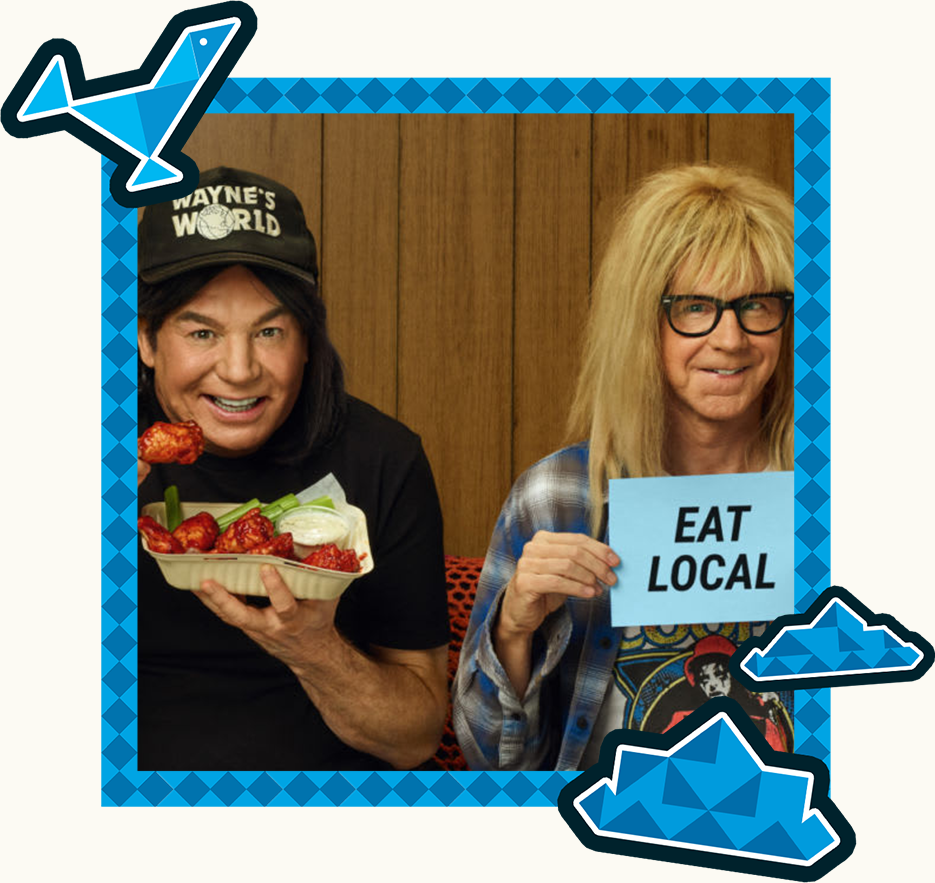

Like anyone attempting time travel, be cautious of the power it wields and while nostalgia can be a valuable tool for evoking emotion and building brand affinity, it should complement, rather than overshadow, a brand’s broader marketing strategy. Brands should remain mindful of their target audience and the cultural context in which they operate, utilising nostalgic content as a way of resonating with the current sensibilities of contemporary consumers. By striking a balance between nostalgia and innovation, brands can create compelling advertising campaigns that captivate audiences and drive long-term brand loyalty.
Perhaps there are signs of nostalgia revolt and a new era dawning. The highly divisive JAGUAR rebrand, can’t be ignored and one way or another – this will have a big influence on the near future of marketing within the brand world.

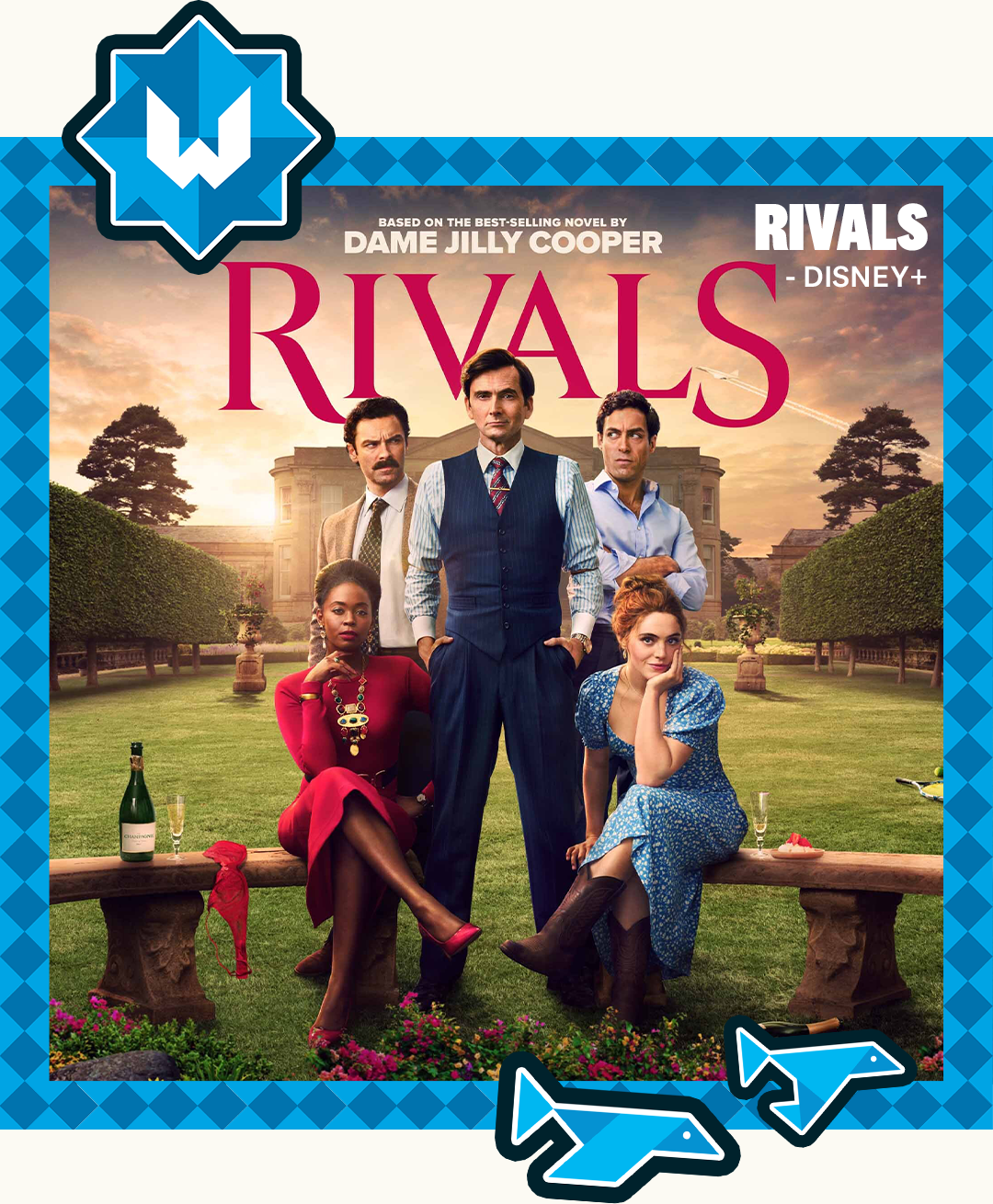
We couldn’t talk about nostalgia without giving credit to Rivals, the TV adaptation of Jilly Cooper’s 1988 novel of the same name, for transporting us so brilliantly back to the 1980s. The series is a spot-on period piece that delivers an astute but light-hearted commentary on the era’s class system, love of indulgence and the TV industry, and of course lots and lots of sex. Aidan Turner and David Tennant lead the cast but Danny Dyer steals the show with his moustache and Sinclair C5. It’s a perfect escape for these dark and gloomy evenings.

